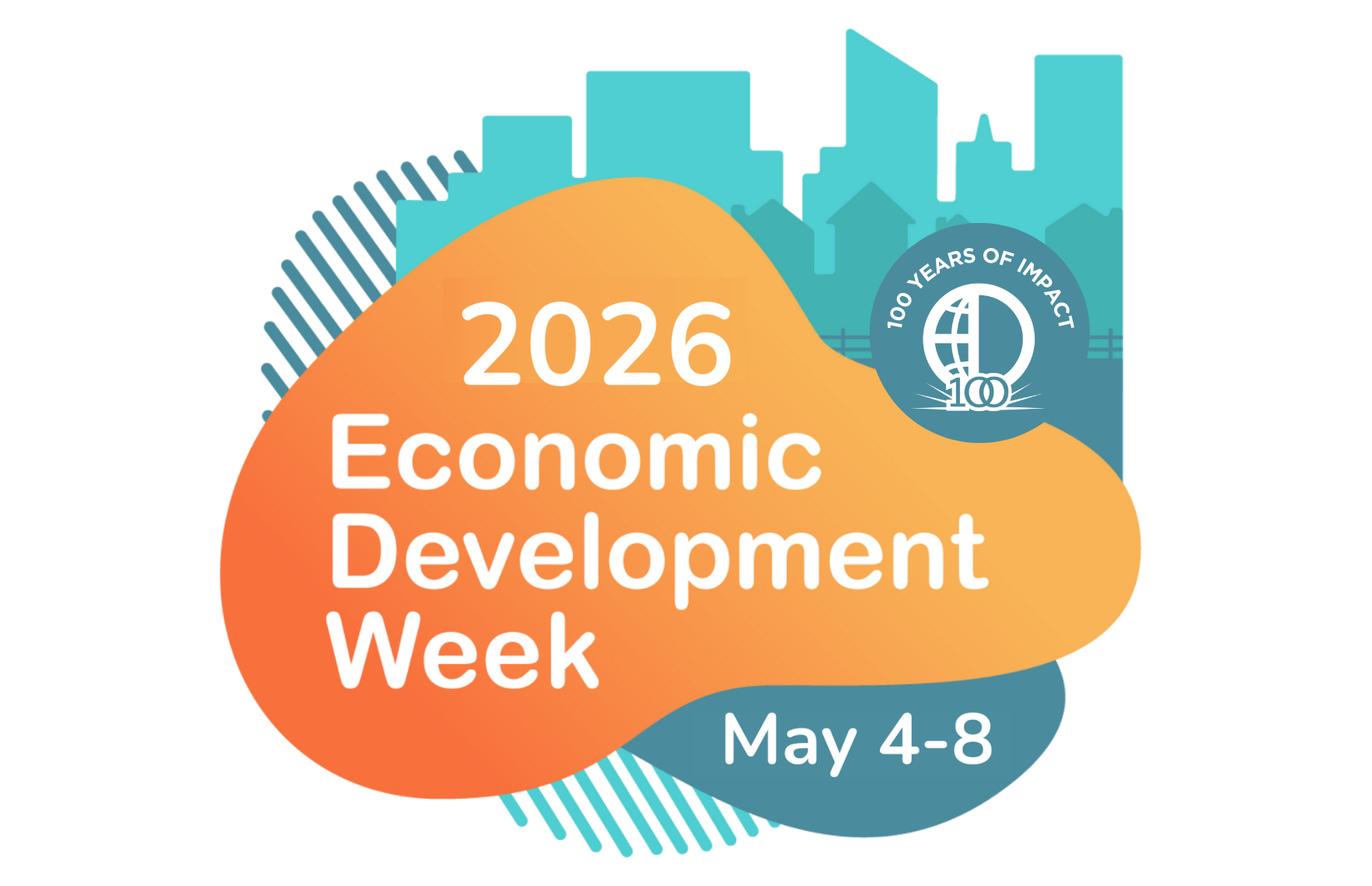
 Economic Development Week arrives each spring for a reason. In a region rooted in agriculture, the season reminds us that lasting growth – whether in our fields or our communities – starts with planting the right seeds, nurturing them carefully, and working together toward a shared harvest. For the Red River Valley, Economic Development Week 2026 is a timely opportunity to reflect on how rural communities and regional centers work together to build a stronger regional economy for everyone.
Economic development is more than attracting new businesses. It is the coordinated effort to strengthen local economies by supporting existing employers, encouraging entrepreneurship, investing in workforce development, improving infrastructure and housing, and enhancing quality of life. In rural regions, economic development is not about fast growth; it is about sustainable growth that allows communities to remain vibrant, resilient, and connected.
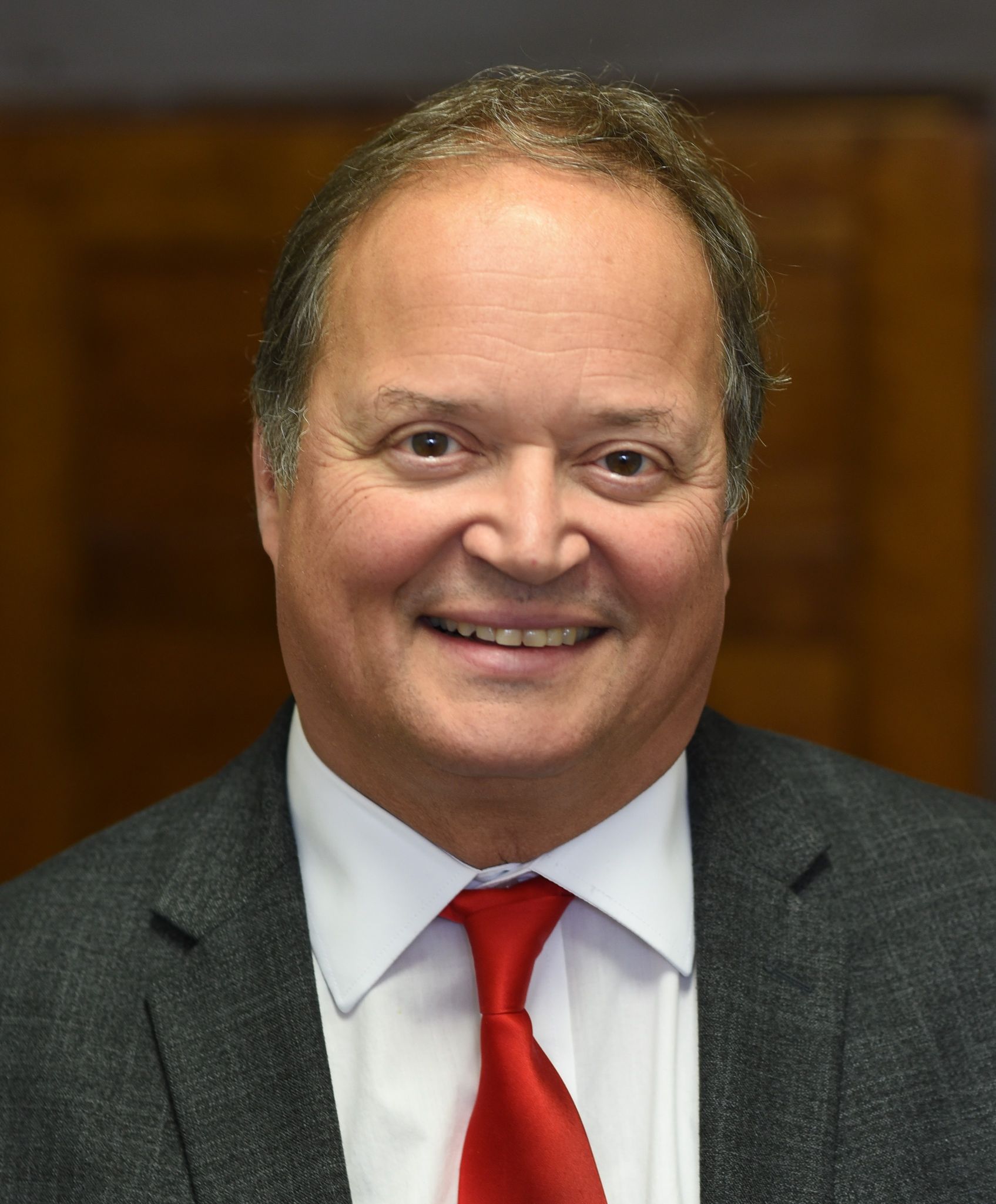
Those connections matter. As Barry Wilfahrt, Vice President and head of The Chamber of Grand Forks and East Grand Forks, explains: “Grand Forks does not succeed without the small towns around us, and rural communities benefit when the regional economy is strong. We are closely knitted together—our workforce, businesses, supply chains, and families cross community lines every day. Economic development works best when we think and act as one region.”
The data reinforces why this regional approach is essential. Agriculture and its related industries account for roughly one‑quarter of North Dakota’s economic output and employment, when both direct and indirect impacts are included. At the same time, small businesses make up nearly 99 percent of all North Dakota businesses and employ more than 57 percent of the state’s workforce, underscoring the importance of local entrepreneurs across both rural and urban communities. In Walsh County, more than 13 percent of workers are self‑employed, a clear sign of the rural independence and creativity that help drive the regional economy forward.
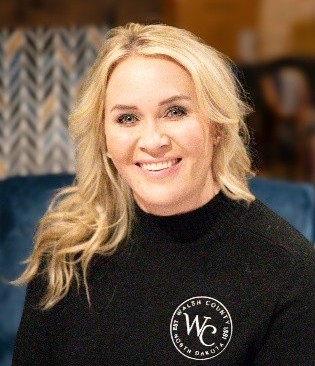
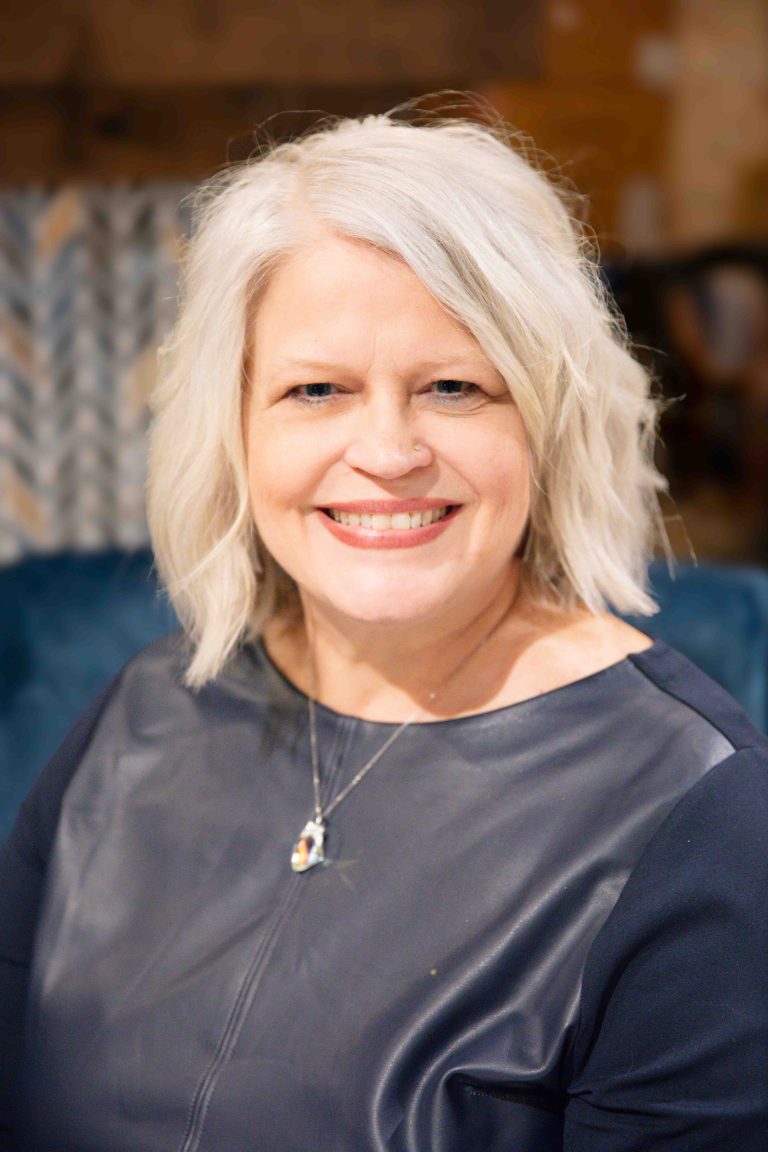
Local leadership plays a critical role in ensuring those seeds of opportunity take root. As Board President Amy Suda – Walsh County Commissioner, Job Development Authority member, and small business owner – notes: “Economic development in rural communities is about cultivating what we already have – our people, our businesses, and our work ethic. When we invest locally and work together, we create opportunities that allow our communities not just to survive, but to grow for generations to come.”
Economic Development Week is also a reminder that success depends on citizen engagement. Everyone has a role to play in building a stronger regional economy.-